Hi, I'm Doug Lardo, a solutions architect at Riot Games. In this article, I'm going to introduce the concept of Fault Injection Testing, and talk about the Riot Games API and how they implemented it. Then I’ll discuss our testing methods, what we found, and soap box a little bit about high availability design along the way.
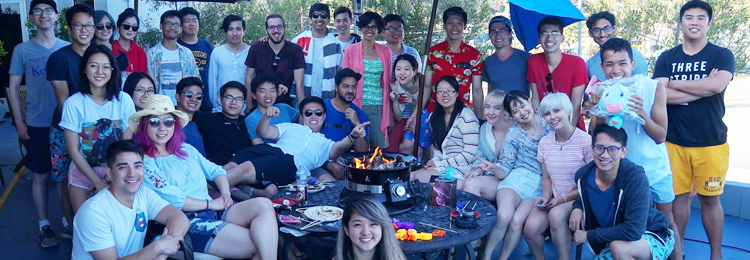
Our technical interns worked with fellow Rioter technologists on everything from game engineering to developer tooling. Before they left, we asked some of them to share projects they contributed to, and to tell their stories of interning at Riot.
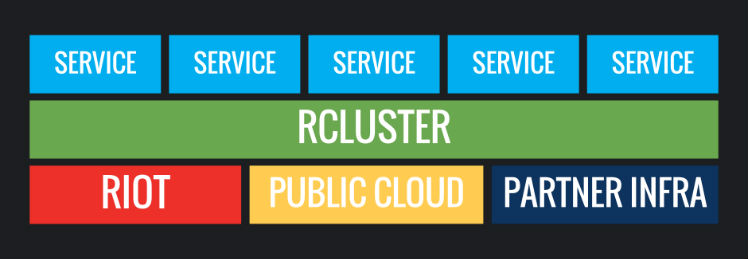
Welcome back to the Running Online Services series! This long-running series explores and documents how Riot Games develops, deploys, and operates its backend infrastructure. Since 24 months is an eternity in this space, we figured we would update you all on how things have worked out, new challenges we faced, and what we learned addressing them!
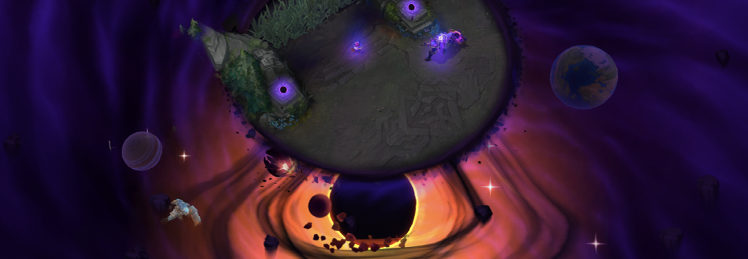
Hi, my name is Joshua Parker, and I’m an engineer on our Champions team. I help create the systems that unlock new capabilities for champions in League. Although my work is typically focused on how we build out a new champion, it also means revamping older systems and smashing tech debt along the way to help our engine evolve and allow us to keep creating new exciting experiences for players. In this article, I’ll describe the tech that went into reworking the League champion Mordekaiser.
From the very beginning of VALORANT development, we made it a priority to build out cheating resistance to ensure competitive integrity. In this article, I’ll walk you through one of these anti-cheat systems - Fog of War. This is one of VALORANT’s key security systems, which focuses on combating cheats that take advantage of a game client’s access to information, like wallhacks.
Hello! My name is Tomasz Mozolewski, and I’m a senior software engineer on our Competitive team. I’m here to talk about an event that has sparked a lot of discussion about League tech, and which happens to be one of the most requested Tech Blog topics of all time - Clash.
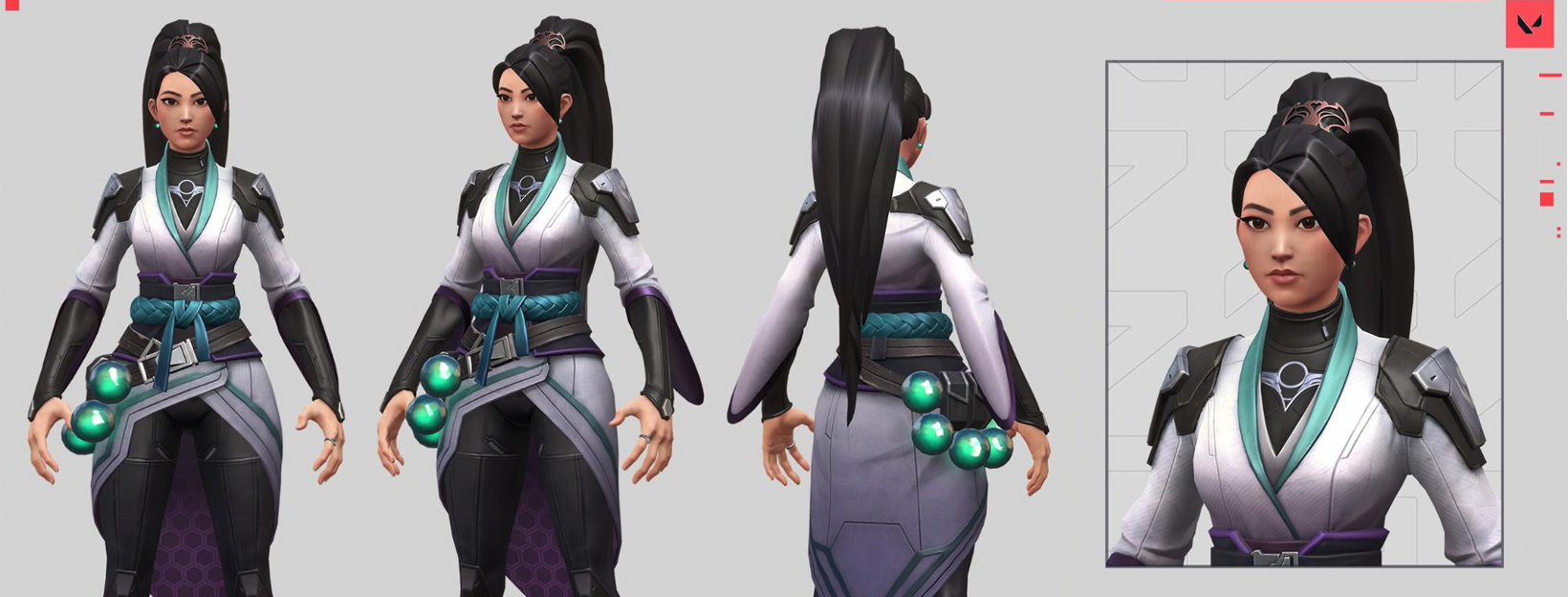
Hi, I’m Brandon “mochi” Wang, a software engineer on VALORANT’s Content Support team. I’m specifically going to focus on shaders, which are an essential part of computer graphics, my area of expertise. Shaders are the programs behind what most people consider a game’s graphics - how a program running on your GPU takes in scene/game data and creates the pixels seen on screen. I’m excited to talk about this because the intersection of engineering, art, and design is a personal passion of mine.
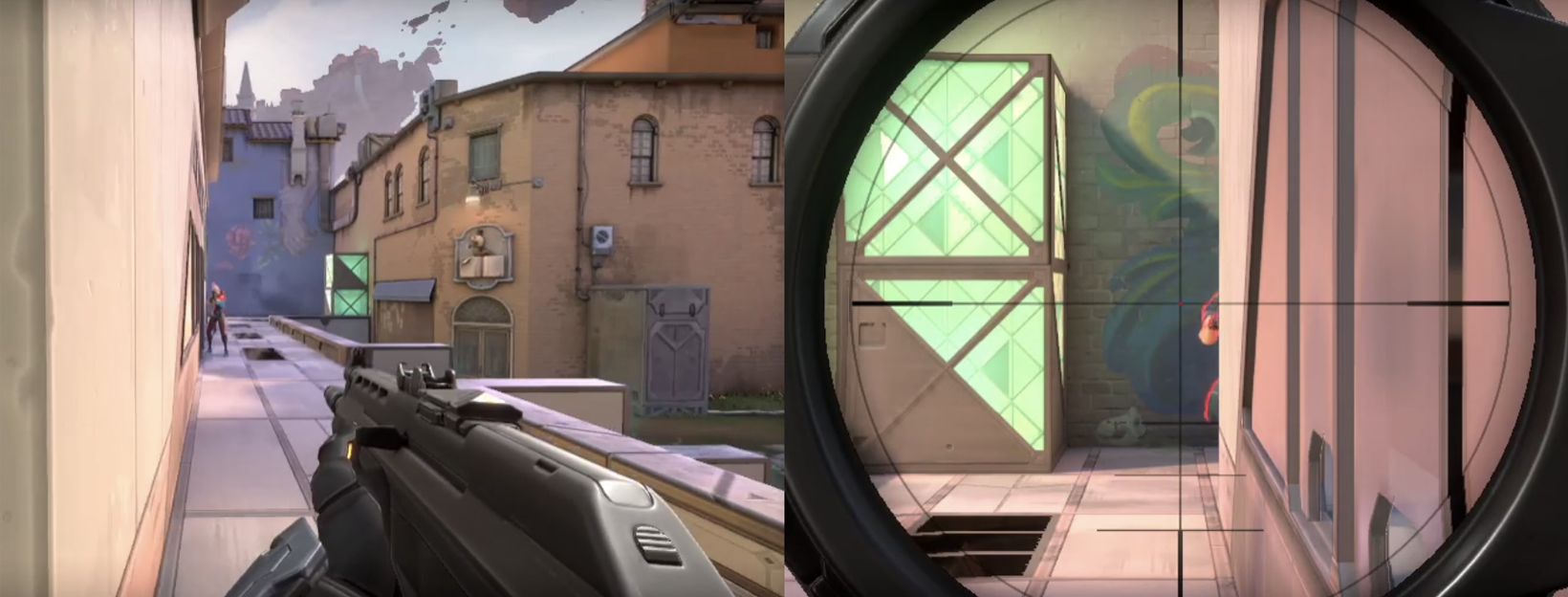
We’re Matt deWet, gameplay tech lead on VALORANT, and David Straily, project tech lead on VALORANT - and we're beyond excited to be here with you all to share some of the technical details behind how we’re addressing some common issues in the FPS genre - peeker’s advantage, poor hit registration, and simulation divergence.

Hi, I’m Brent “Brentmeister” Randall and I’m an engineer on the Gameplay Integrity team for VALORANT. My team is responsible for VALORANT’s build system, automation framework, game client performance, and server performance. In this article, I’ll be focusing on that last topic - I’ll be telling the technical story behind our search for optimal server performance.
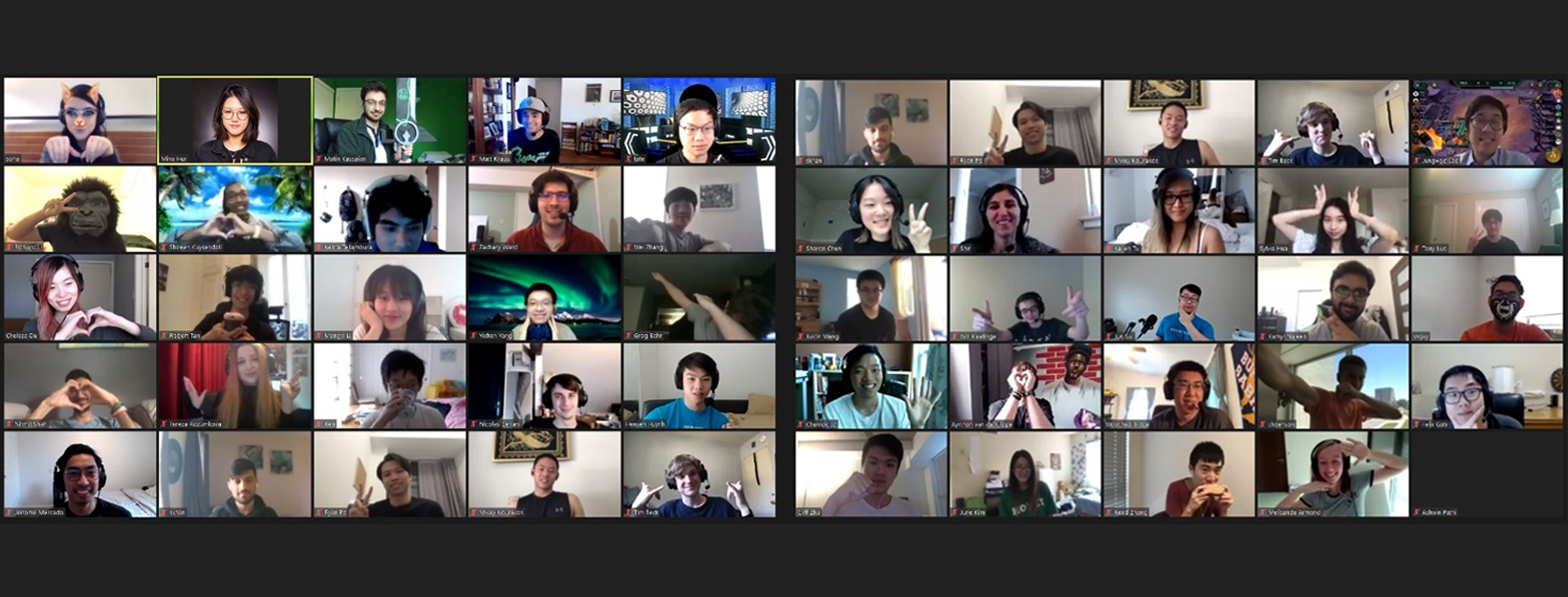
The Riot internship program helps technical players drive their professional growth by embedding them on tech teams and having them contribute to impactful, exciting technology projects. Last year we published an article by some of our interns, giving readers a glimpse at the projects technical interns get to work on. We’re doing a follow-up this year, but with additional sections to reflect our new games.
There were so many interns excited to contribute to this article that this year we’ll be doing a 2-part series. Intern stories are sorted into categories - the first post (this one) includes all blurbs for League of Legends, TFT, & VALORANT, and the second post focuses on General Game Tech & Tooling/Infrastructure.
