
Hi, I’m Rick Hoskinson, an engineer on the Deterministic Disaster Recovery team, and I’m here to talk about how we gave ourselves the power to turn back the hands of time in League of Legends. In this series of blog posts, I hope to give you a glimpse of what that work looked like, juicy technical challenges and all. In this first post, I’ll introduce the problem and how we chose to solve it.
Taking the League of Legends game server from a nondeterministic process to its current state required almost a full year of effort from multiple engineers. As a side benefit of this effort, we holistically improved the codebase’s robustness, discoverability, and maintainability. We removed swaths of dead or redundant code and created new opportunity spaces for gameplay exploration.

Hi, I’m Rick Hoskinson, an engineer on the League of Legends Core Gameplay Initiative, and I’m here to talk about how we gave ourselves the power to turn back the hands of time in League of Legends. In this series of blog posts, I hope to give you a glimpse of what that work looked like, juicy technical challenges and all.
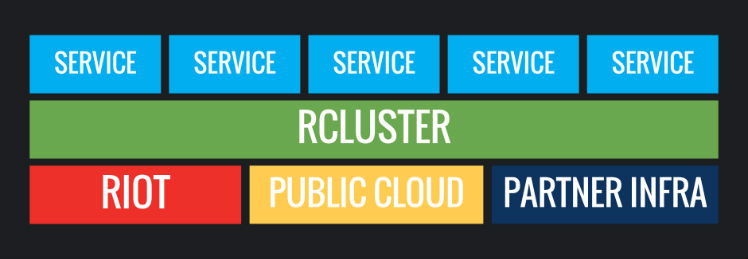
Welcome back readers to the Running Online Services at Riot blog series. My name is Maxfield Stewart and I’ve written before about how we use containers to build containers on an open source platform. Today’s article will dig into the five key requirements for any micro-service to become a live running application on our container platforms at Riot.

Hey folks! We’re Mark Hillick, Jason Clark, and David Rook from the Riot Security team and we’re here to discuss how the security program at Riot has evolved over the last 4 years. This is our first article in a series of security articles so it’ll be more high-level, but keep an eye on the tech blog in the future for all the juicy techy bits.
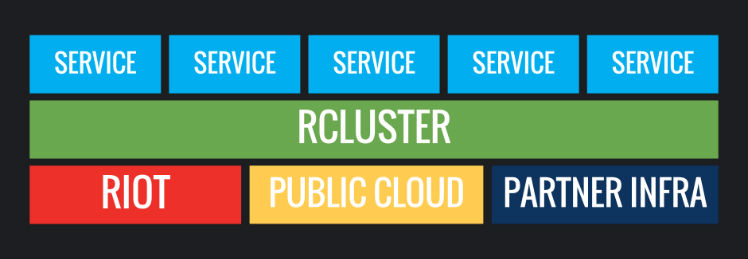
In the previous article in this series I discussed the ecosystem of supporting services that allow us to operate micro-services in production. If our micro-services are our carries and those tools are our supports, what about our junglers? That’s where our developer ecosystem for cluster management comes in.
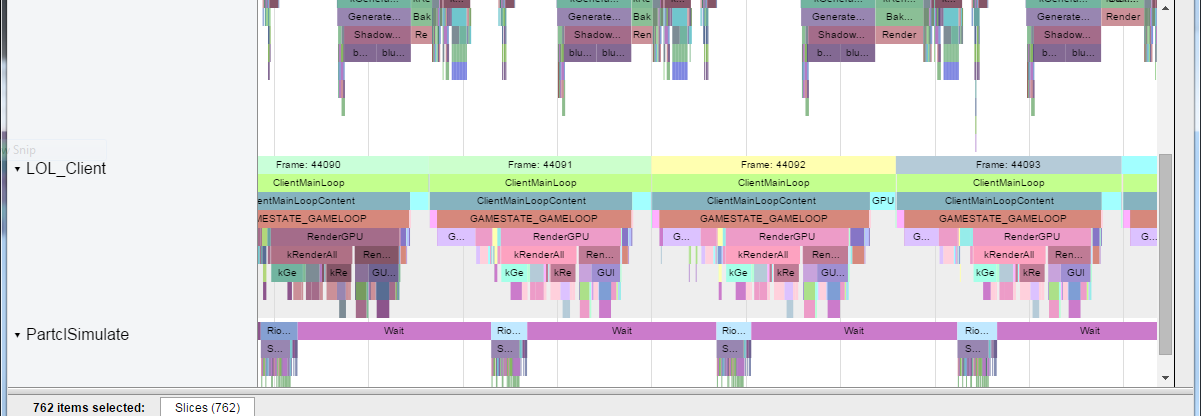
Hi, I’m Tony Albrecht, an engineer at Riot, and I like profiling and optimising things. In this article, I’m going to walk you through profiler basics and analyse some example C++ code as we profile it on a Windows machine. We’ll start at a very high level and delve deeper and deeper into the bowels of the CPU step by step. Once we identify opportunities for optimisation in this article, we’ll implement changes and explore some real-world examples from the League of Legends codebase in a future article. Let’s begin!

The League of Legends client UI resembles many traditional web applications, both in its choice of technology (JavaScript/HTML) and its range of functionality. However, the League client (the pre-game experience) is not a traditional web app - at its core it’s a game UI with high-quality visuals, which led to several interesting challenges along the way. I’m Richard Ye, a software engineer on the League of Legends client, and I’m going to talk about one of the major development challenges we encountered in the client UI: animation.
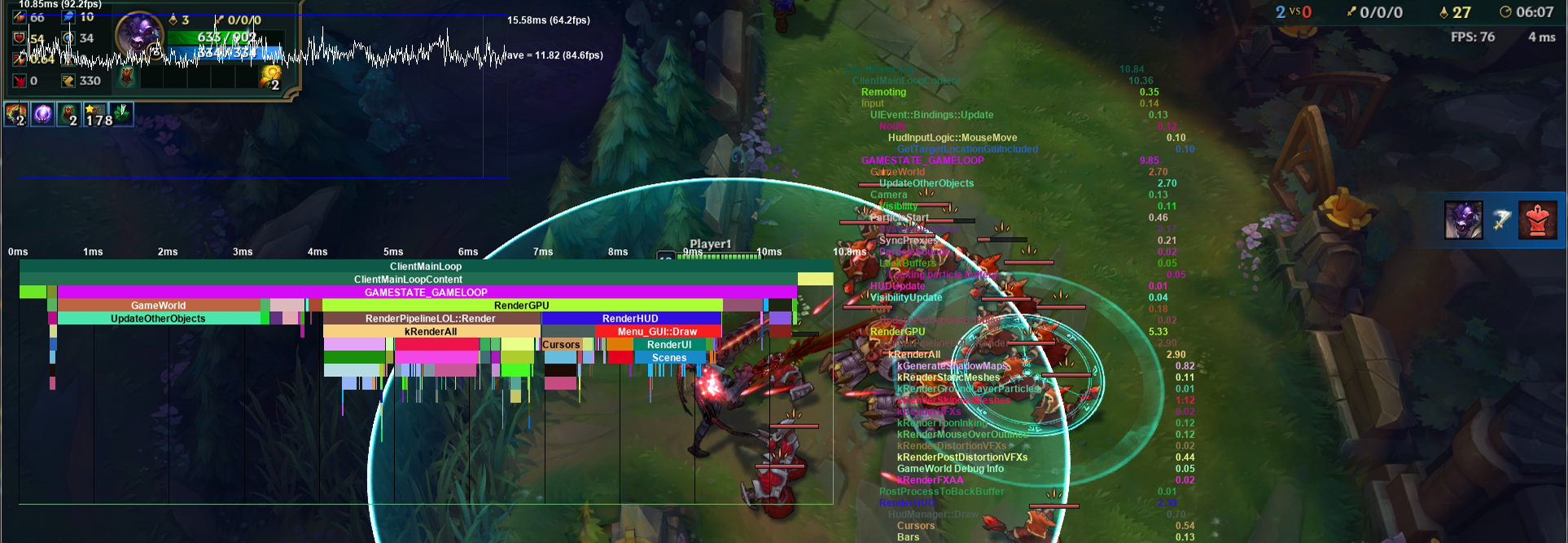
Hi, I’m Tony Albrecht, an engineer at Riot, and I’m a performance junkie. This is the second part in a series on how to optimise your code. In Part 1, Measurement and Analysis, we learned how to find and analyse performance bottlenecks in our sample code. We surmised that the issue was due to slow memory access. In this article we’ll look at how we can reduce the cost of memory accesses and thereby speed up our program.
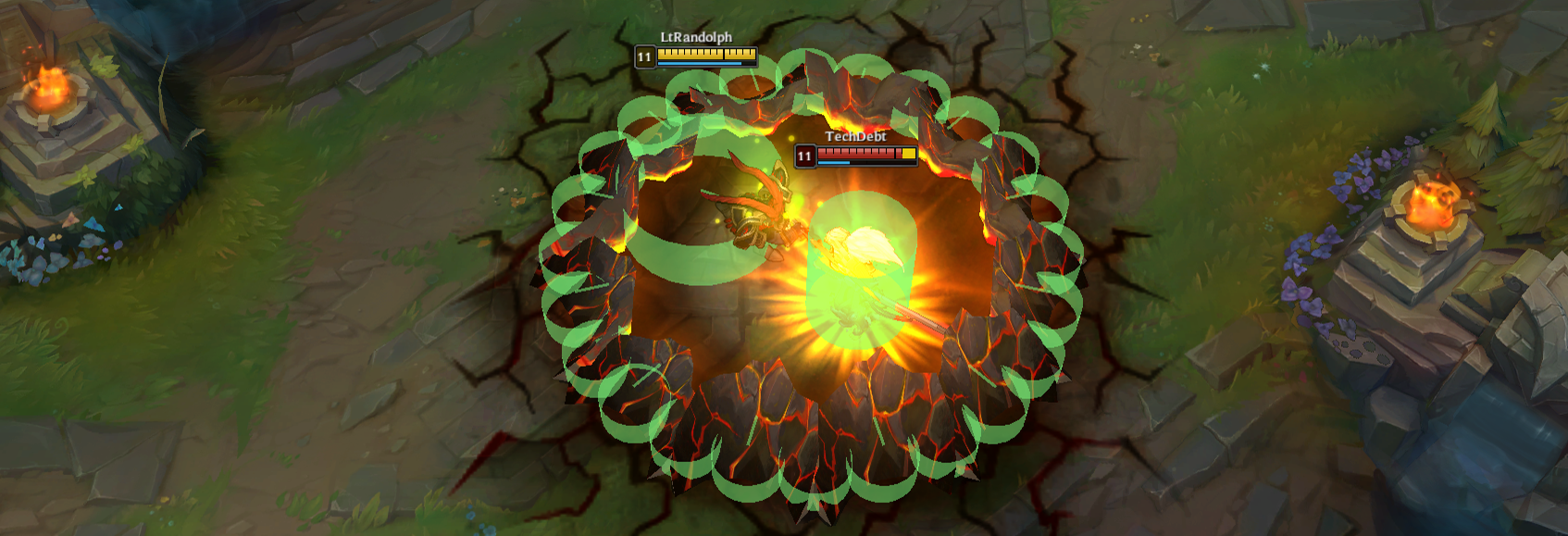
Hi there. I’m Bill “LtRandolph” Clark, and I’m the engineering manager for the Champions team on LoL. I’ve worked on several different teams on League over the past years, but one focus has been consistent: I’m obsessed with tech debt. I want to find it, I want to understand it, and where possible, I want to fix it.
