Over my last two posts, I’ve talked about the challenges facing real-time applications like League that arise from the internet’s architecture, and how Riot is tackling some of those challenges by creating our own network. In this post, I’d like to look forward - what’s next, and how can we collectively get there? This topic has inspired a lot of reflection on my own experience building networks, and has galvanized my perspective that things are changing for the better.

Over the past several months I’ve published six articles that discuss using Docker and Jenkins to containerize a build farm. Recently, I went on the road to tell the story at DockerCon 2016 and gathered a tremendous amount of amazing feedback. In fact, the best part of this whole experience has been the conversations we’re having with folks encountering similar challenges. In this short post, I’d like to accomplish two things: share the video of my DockerCon talk, and respond to requests we’ve received to consolidate my articles into a single place.

Hello, David Rook here. I’m the product owner of application security at Riot Games. In an effort to provide the best and most secure game experiences to League of Legends players, we’ve been running a bug bounty program for a few years now. When it comes to finding bugs in our live services, we wanted to ensure that we were listening to researchers all over the globe.

This article is the third in a multi-part series on the Riot Games API. As discussed in our second article, the API is fronted by the Zuul proxy server developed by Netflix. We chose Zuul because Netflix built it to handle an enormous amount of daily traffic, so we knew we could trust that the code was battle-tested and production-hardened.
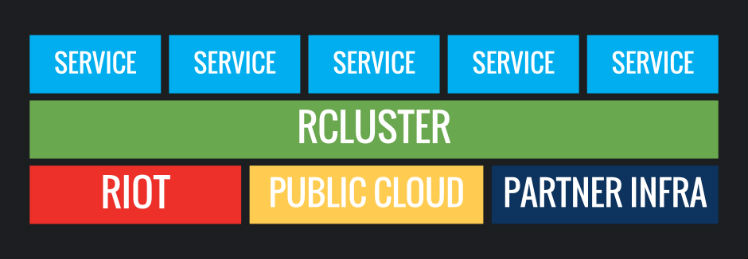
My name is Jonathan McCaffrey and I work on the infrastructure team here at Riot. This is the first post in a series where we’ll go deep on how we deploy and operate backend features around the globe. Before we dive into the technical details, it’s important to understand how Rioters think about feature development. Player value is paramount at Riot, and development teams often work directly with the player community to inform features and improvements.

My name is Mike Seavers and I’m the product owner for the Engineering Operations group here at Riot. We formed EngOps to help manage, grow, and support our Engineering discipline. Those responsibilities include operating this tech blog, and we’ve been overwhelmed with the response over its first year - so first and foremost, I want to thank you for reading and providing us with feedback to help us improve.

What makes a Senior Engineer a Senior Engineer? When you ask that question, you’ll get a lot of different answers. Some think it’s writing excellent code. Some think it involves leadership. Others believe it requires the ability to mentor others or be product-minded. As we’ll discuss later in the article, everyone is probably right. But if everyone is right, the path to Senior Engineer is murky and unclear, not to mention really hard. How do I become an amazing programmer, and an amazing leader, and an amazing mentor, and more?
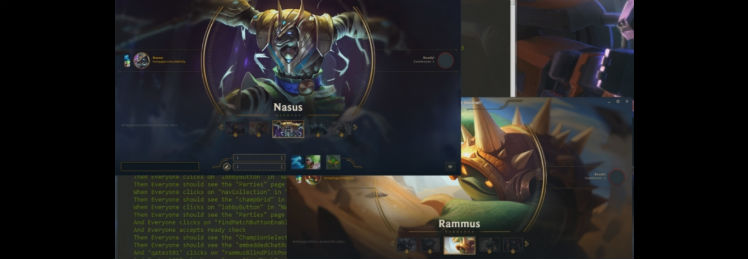
Hi, I’m Guy Kisel, and I work on the League client update’s Test, Build, and Deploy team, here to talk about the project's automated testing.
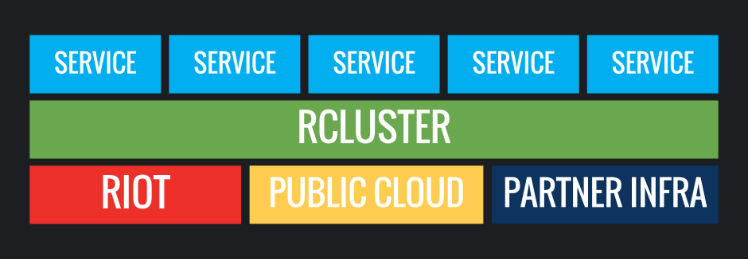
Our names are Kyle Allan and Carl Quinn, and we work on the infrastructure team here at Riot. Welcome to the second blog post in our multi-part series describing in detail how we deploy and operate backend features around the globe. In this post, we are going to dive into the first core component of the deployment ecosystem: container scheduling.